Planning a complete bottle filling line, from unscrambler to pallet
Short answer
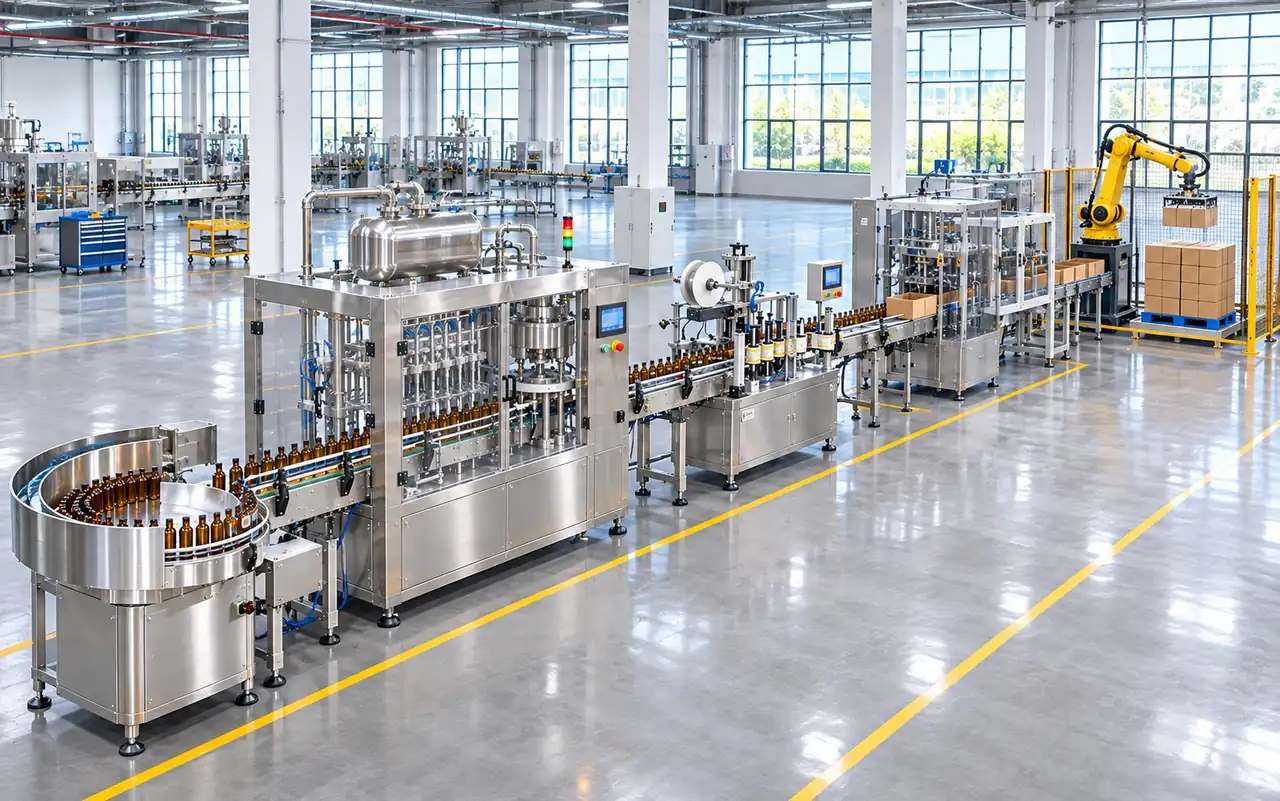
A typical bottle line runs: bottle unscrambler, (washer), filler, capper, induction sealer, labeler, coder, cartoner or case packer, case sealer and palletizer. Size every downstream machine 10–20% faster than the filler so the filler — the most expensive station — never waits.
Key takeaways
- List stations in product-flow order before choosing models.
- The filler sets line speed; downstream machines run 10–20% faster.
- Buffers between machines absorb short stops.
- Send bottle, cap and label samples early — they drive change parts.
The stations, in order
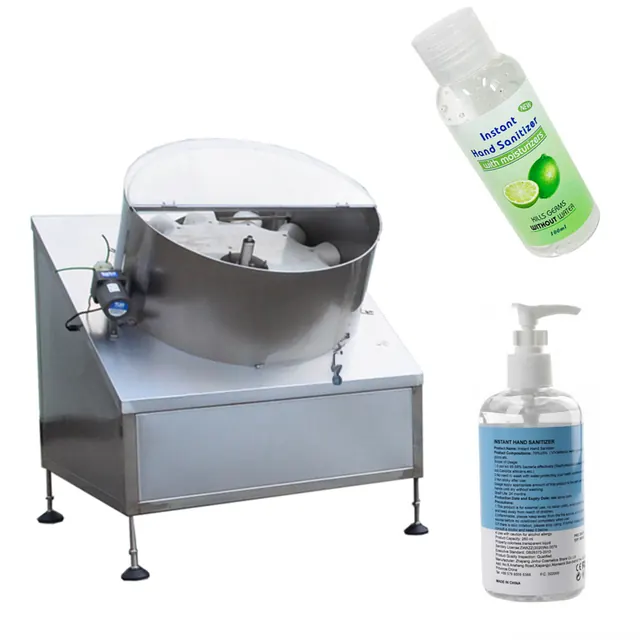
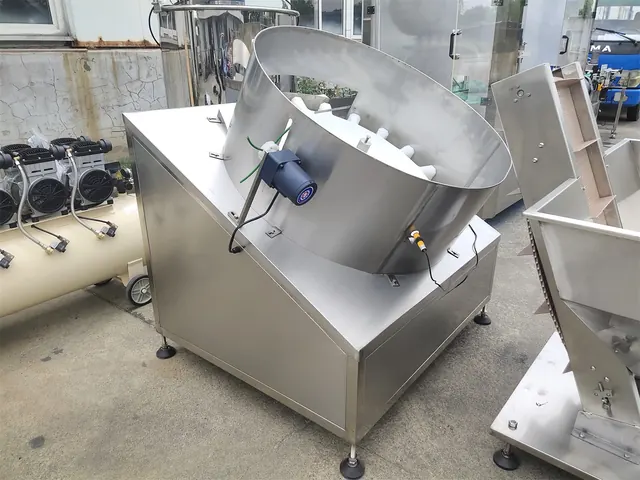
- Bottle unscrambler — orients bulk bottles upright onto the conveyor (LPA).
- Washer or air rinser — needed for glass and pharma; often skipped for new PET.
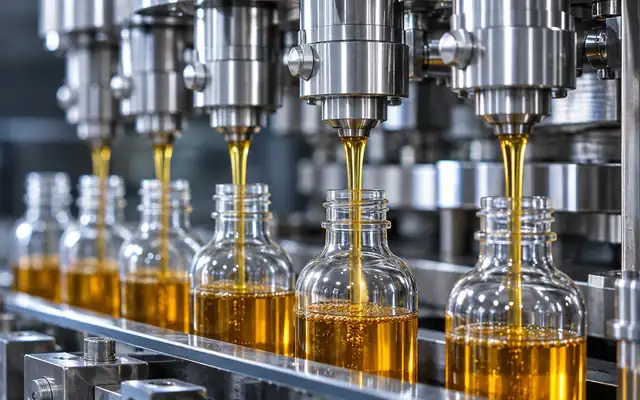
- Filler — the heart of the line.
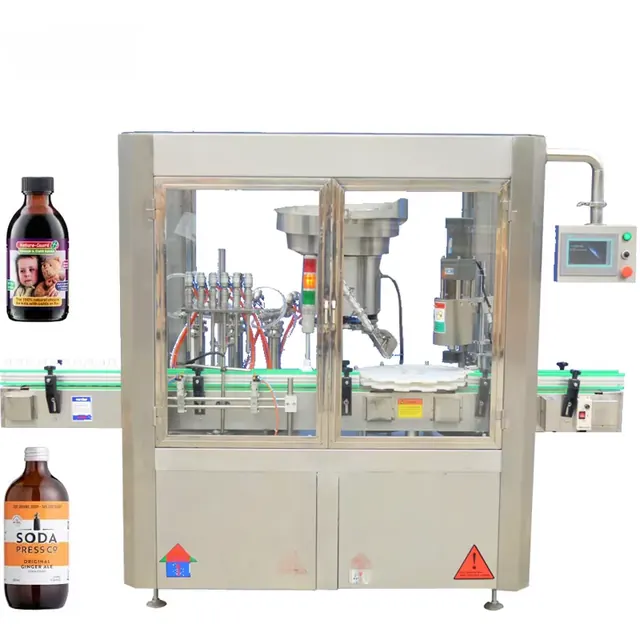
- Capper — screw, press, crimp, or a monoblock that fills and caps together.
- Induction sealer — bonds a foil liner for leak-proof, tamper-evident bottles.
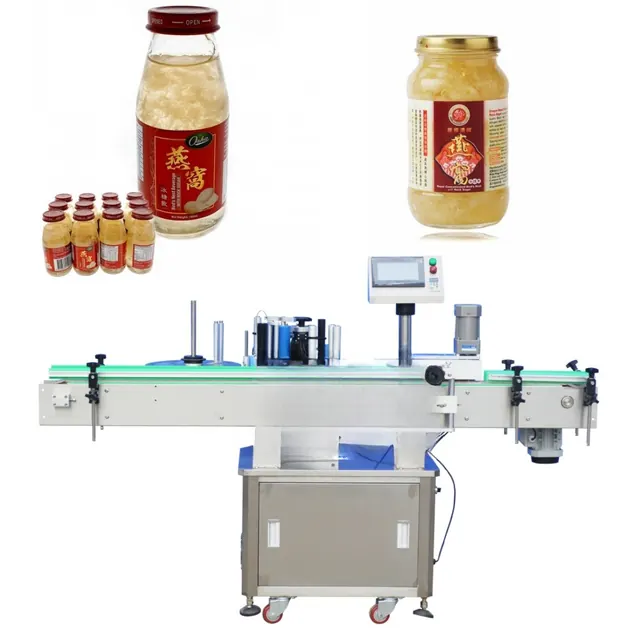
- Labeler — wrap-around, front/back or shrink sleeve.
- Coder — laser, inkjet or thermal transfer for batch and date.
- Cartoner or case packer — boxes single units or packs bottles into shipping cases.
- Case sealer and palletizer — closes cases and stacks pallets.
Balance speeds around the filler
If your target is 40 bottles per minute, specify the filler at 40 and every downstream machine at 45–50. When a labeler stops for a roll change, the bottles queue; when it restarts it must be fast enough to clear the queue. Put an accumulation table after the filler to absorb short stops.
Layout shapes
Straight lines are simplest to operate. L and U shapes save floor length and bring the start and end of the line close together, so one operator can load bottles and remove cases. Send us your floor plan with columns, doors and drains marked and we draw the layout to scale.
What to prepare before asking for a quotation
- Product name, viscosity and fill temperature.
- Every bottle size with drawings or photos, and the cap type for each.
- Label sizes and whether labels go front, back or wrap-around.
- Target output per minute or per shift.
- Voltage and frequency at your factory (for example 380 V 50 Hz or 220 V 60 Hz).
- Any certifications your market requires.
Plan change parts from the start
Every bottle diameter needs its own star wheels, guides and sometimes capping chucks. Ordering them with the line is cheaper and faster than adding them later, and they can be tested during the factory acceptance test.
FAQ
How many people does an automatic bottle line need?
A well-balanced line from unscrambler to case sealer usually needs one or two operators to load bottles, caps, labels and cartons and to supervise.
Can I start with a semi-automatic line and automate later?
Yes. Plan conveyor height and direction for the final line and add machines such as the case packer and palletizer later.
How long does a complete line take to build?
Lead time depends on the number of machines and custom parts. We confirm it in the quotation once the configuration is fixed.