Metal detector vs checkweigher: what each one catches and where to put it
Short answer
A metal detector finds ferrous, non-ferrous and stainless-steel contamination; a checkweigher rejects packs that are under or over the legal weight range. Most food lines need both, placed after final packing and before case packing; a combination unit saves floor space.
Key takeaways
- Metal detectors protect consumers from contamination.
- Checkweighers protect you from giveaway and short-weight complaints.
- Place both after the pack is sealed, before case packing.
- Foil packaging needs X-ray inspection instead of metal detection.
How a metal detector works
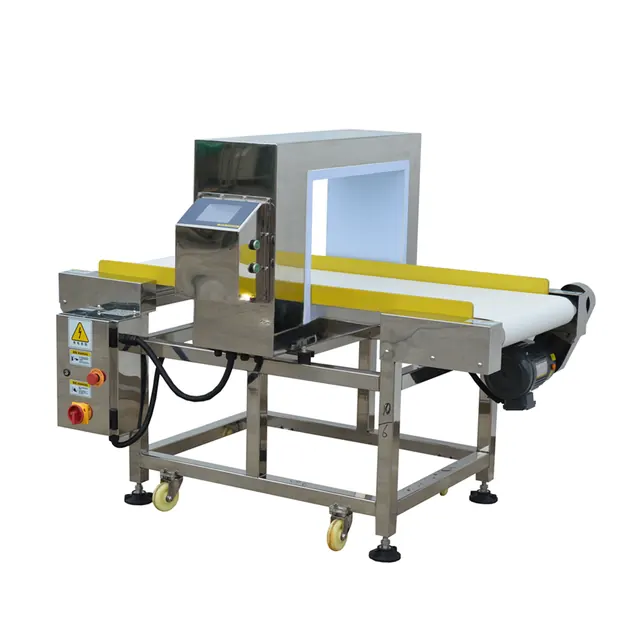
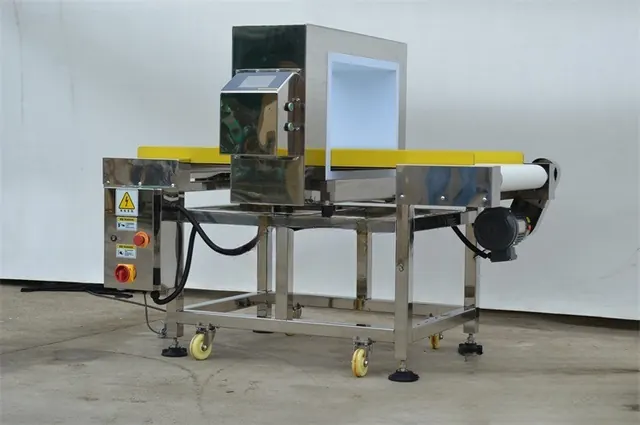
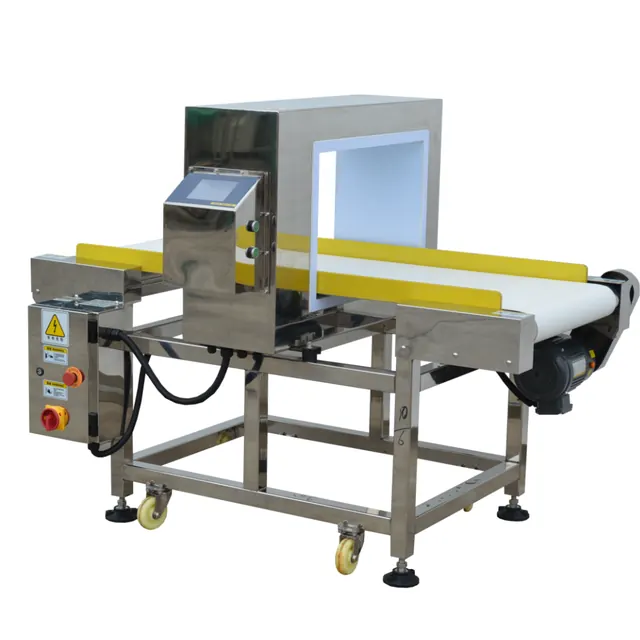
A balanced set of coils creates a magnetic field across the aperture. Metal disturbs the balance and triggers a reject. Sensitivity depends on aperture size, product effect (wet, salty products are harder) and metal type — stainless steel is the hardest to detect.
How a checkweigher works
Packs cross a weigh belt on a load cell at line speed. Each pack is compared to limits set on the HMI and rejected if outside them. Statistics show the average and spread so you can tune your filler.
Where to place them
Place both after the final seal and before case packing. Inspecting the finished pack catches contamination introduced during packing and verifies the weight the customer actually receives.
Separate machines or a combination?
| Separate | Combination | |
|---|---|---|
| Floor space | Longer | Shorter, one frame |
| Flexibility | Move or replace independently | Single unit |
| Typical use | Large lines | Compact lines, retrofit |
See our JT series metal detectors and the metal detector and checkweigher combination.
When you need X-ray instead
Aluminium foil or metallised film blocks a metal detector. X-ray inspection detects metal, glass, stone and dense plastic through foil, at a higher cost.
FAQ
Can a metal detector find stainless steel?
Yes, but stainless steel is the hardest metal to detect; the achievable size depends on aperture and product.
Do I need both machines?
Most food producers do: one protects against contamination, the other against short weight and giveaway.
Will a metal detector work on foil bags?
No. Use X-ray inspection for foil or metallised packaging.